

Choosing the Right Occupational Equipment for Your Needs
Selecting the correct occupational equipment can significantly enhance your productivity and comfort at work. Whether you’re in an office, workshop, or on a construction site, the right tools can make all the difference. In this guide, we’ll explore essential factors to consider when choosing occupational equipment tailored to your needs.
Understanding Your Occupational Needs
Before diving into equipment options, it’s essential to clearly identify your job requirements. This section will help you assess tasks, responsibilities, and any specific challenges you face in your work environment.
Think about the daily activities that define your role. Do you spend most of your time sitting at a desk, or are you on your feet throughout the day? Understanding these aspects can guide you toward choosing ergonomic solutions that support your body and improve your workflow.
Moreover, consider the tools that you currently have. Are they getting the job done, or do you often find yourself struggling with outdated or inadequate equipment? Recognizing gaps in your current setup can be one of the first steps towards finding solutions that are better suited to your specific occupational needs.
Types of Occupational Equipment Available
Explore the various types of occupational equipment, from ergonomic office furniture to specialized tools for trades. Understanding these types will help you make informed decisions.
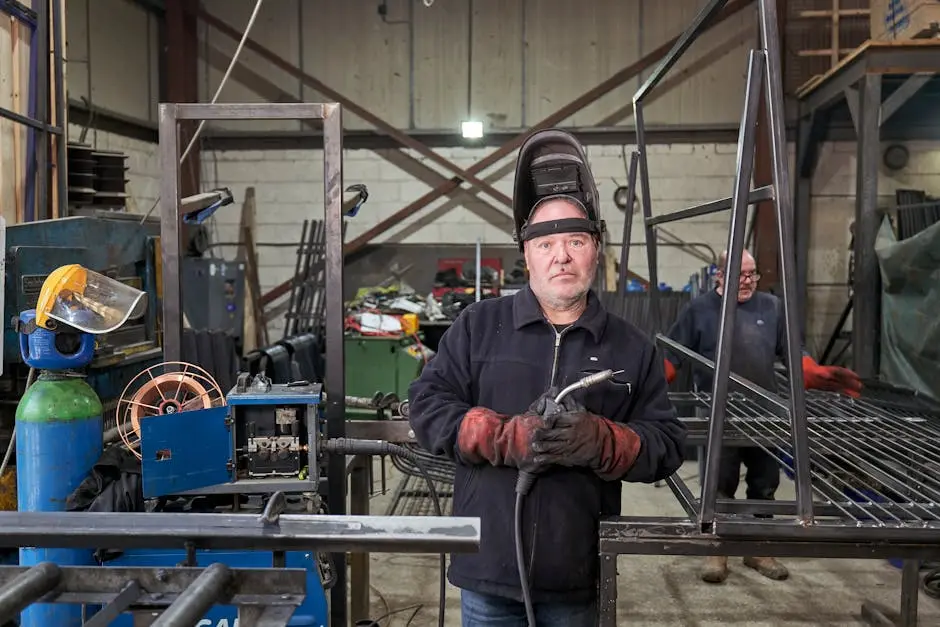
For office workers, options like adjustable chairs and standing desks can revolutionize the work experience. On the other hand, if you’re in a trade like construction or plumbing, investing in gloves, helmets, and work boots designed for heavy lifting and safety can provide the comfort and protection you need.
Don’t forget about the tech side of things! With tools like computers, software applications, and even ergonomic keyboards, technology can play a pivotal role in your day-to-day effectiveness. Make sure to explore all the available tools that could complement your work and enhance your productivity.
Key Factors to Consider When Choosing Equipment
This section will delve into important factors like ergonomics, quality, durability, and safety features that can impact your choice of equipment.
When considering ergonomics, think about how your body interacts with the equipment. A well-designed chair should support your lumbar region, while a desk’s height should allow your arms to rest comfortably while typing. These seemingly minor details can lead to significant improvements in your comfort and efficiency.
Quality and durability are also paramount. You want equipment that can withstand the demands of your job without faltering. While it might be tempting to opt for the least expensive option, investing a bit more in quality equipment can save you money in the long run, as it often leads to less frequent replacements.
Lastly, safety should not be overlooked. Ensure that the occupational equipment you choose complies with relevant safety standards. Taking the time to research safety features can protect you from injuries and ensure that you are working responsibly.
Evaluating Your Budget for Occupational Equipment
Budget constraints are a reality for many. Here, we’ll discuss how to balance cost with quality, and tips for finding great deals without compromising on the essential features.
Firstly, create a budget that clearly outlines how much you can afford to spend. Prioritize your needs over wants; focus on what is necessary for your job to maintain efficiency and safety. Once you have a budget, research different outlets—both online and offline—where you can find competitive pricing.
Consider shopping during sales events, or look into bulk purchasing options if you are part of a larger organization. Often, suppliers provide discounts for bulk orders that can help maximize your budget. Additionally, do not hesitate to seek recommendations from colleagues who might have found reliable suppliers in your field.
Trying Before You Buy: The Importance of Testing
Whenever possible, test equipment before making a purchase. This section will explain why hands-on experience can lead to better satisfaction and effectiveness.
Testing equipment allows you to see if it truly meets your needs. For instance, when purchasing a chair, sit on it for an extended period to ensure comfort and support. Additionally, testing can reveal potential issues that may not be apparent from just looking at specifications or reviews.
Be sure to check for return policies, especially for larger items, which you might not realize are uncomfortable until you’ve used them for a while. Having the option to return or exchange equipment provides peace of mind that you are making a safe investment.
Maintenance and Care of Your Occupational Equipment
Once you’ve chosen your equipment, it’s crucial to maintain it properly. In this section, we’ll offer valuable tips on how to care for your tools to prolong their life and effectiveness.
Start by establishing a regular cleaning routine. Dust and dirt can accumulate in areas that impact performance, particularly for electronic devices. Ensuring your equipment is clean not only enhances its lifespan but also fosters a healthier work environment.
Additionally, familiarize yourself with the manufacturer’s maintenance guidelines. Many tools and pieces of equipment have specific maintenance needs, such as oiling or tightening screws, that can help them operate optimally. Taking the time to invest in maintenance pays off by reducing the likelihood of unexpected repairs.
Lastly, don’t wait for a major issue to arise before addressing maintenance concerns. If you notice a small problem, such as a fraying cable or a squeaky chair, taking action promptly can prevent bigger problems down the line.
Final Thoughts on Selecting Occupational Equipment
In conclusion, selecting the right occupational equipment involves understanding your specific needs, evaluating the options available, and considering safety and comfort. By following these guidelines, you can ensure that you invest in tools that will enhance your work experience and productivity.

